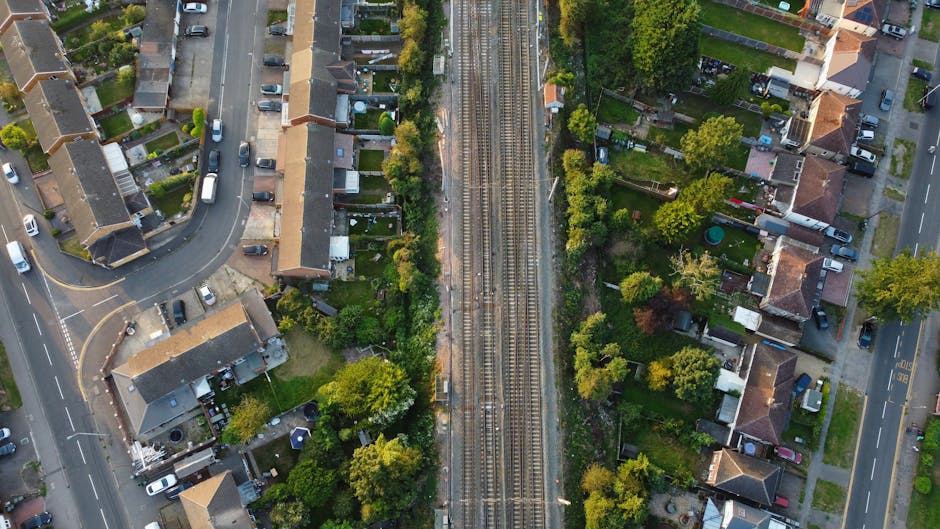
Feltham Station garden maintenance guide for flat owners
If you live in a flat near Feltham Station, keeping any shared garden, balcony planting, roof terrace, or small courtyard in good shape can feel oddly complicated. Who trims what? Who waters during a hot spell? And what happens when the hedges are fine one week and a bit wild the next? This Feltham Station garden maintenance guide for flat owners is here to make that whole picture clearer.
Whether your building has a communal green space, a couple of tired planters, or a tiny patch of grass that everyone assumes "someone else" will deal with, the basics are the same: define responsibility, keep a routine, and avoid small issues becoming expensive ones. In our experience, the difference between a tidy, usable shared garden and a neglected one is usually not one big intervention. It is steady, sensible maintenance.
Below, you will find a practical, local-friendly guide covering how flat owners can approach garden care near Feltham Station, what to expect from maintenance schedules, common mistakes, legal and leasehold considerations, and how to decide whether to handle it yourselves or bring in professional help. A small garden can still make a big difference. Truth be told, it often does.
Table of Contents
- Why this matters for Feltham Station flat owners
- How garden maintenance works in flats and shared buildings
- Key benefits and practical advantages
- Who this is for and when it makes sense
- Step-by-step guidance
- Expert tips for better results
- Common mistakes to avoid
- Tools, resources and recommendations
- Law, compliance and best practice
- Options and comparison table
- Case study and real-world example
- Practical checklist
- Conclusion
- Frequently asked questions
Why Feltham Station garden maintenance guide for flat owners Matters
Shared outdoor space is one of those things people only really notice when it starts slipping. A neat border, healthy planting, and a swept path create a calmer feel the moment you step outside. A scruffy patch of weeds, overgrown shrubs, or dead hanging baskets does the opposite. For flat owners near Feltham Station, that can matter for everyday comfort, building pride, neighbour relations, and even perceived property value.
There is also the simple practical side. Overgrown planting can block light, attract litter, hide trip hazards, and make drainage issues harder to spot. In a commuter area, where people come and go at different times of day, the garden often acts as a first impression. It is the bit visitors see before they ever see the hallway or front door.
Another reason it matters is shared responsibility. In flats, no one owner always has full control, yet everyone feels the effect when maintenance is neglected. That is where a clear, realistic maintenance approach helps. It turns vague complaints into specific actions: who does what, how often, and to what standard.
If you are also thinking about broader building upkeep, it can help to look at your block as a whole rather than the garden in isolation. For example, outdoor upkeep sits naturally alongside property maintenance services and sometimes pairs well with building repairs for residential blocks when access, drainage, or boundary issues crop up.
How Feltham Station garden maintenance guide for flat owners Works
Garden maintenance for flats is usually a blend of routine care, seasonal work, and shared decision-making. It is not the same as maintaining a private house garden, because responsibility is often split between leaseholders, a management company, a landlord, or a residents' association. Sometimes the arrangement is clear. Sometimes it is a bit of a muddle. Let's face it, plenty of blocks have inherited systems that were never properly explained.
The first step is to work out ownership and responsibility. That means checking the lease, management agreement, or residents' rules to see whether garden areas are private, shared, or maintained by a third party. Once that is clear, maintenance becomes much easier to plan. Without that step, even a simple hedge trim can become a debate.
In practical terms, most flat garden maintenance near Feltham Station falls into one of these patterns:
- Self-managed maintenance where residents organise tasks among themselves.
- Scheduled professional maintenance where a contractor visits weekly, fortnightly, or seasonally.
- Hybrid maintenance where residents handle light care and a contractor handles heavier work.
The routine itself is fairly straightforward. Grass is cut, weeds removed, planting tidied, waste collected, and seasonal jobs handled at the right time. What changes from one building to another is frequency, scale, and access. A ground-floor courtyard with pots and raised beds needs different care from a larger shared lawn with shrubs and trees.
If your block also needs regular communal cleaning, you may find it helpful to combine planning with communal area cleaning so outdoor and indoor spaces stay consistent. The point is not perfection. It is rhythm.
Key Benefits and Practical Advantages
A well-maintained garden does more than look nice. It reduces friction, makes outdoor areas usable, and helps the whole building feel calmer. That sounds simple, but in real life these benefits are what keep residents onside.
1. Better day-to-day living. A tidy garden means you are more likely to actually use it. A bench is useful if it is not surrounded by nettles. A path is welcoming if it is clear and dry. Small thing, big difference.
2. Fewer complaints and disputes. When maintenance is routine, there is less scope for the classic "why has nobody done anything about this?" conversation in the stairwell. Clear schedules make expectations more realistic.
3. Reduced risk of damage. Trimming back plants before they overrun fences, walls, gutters, or paving can prevent slow-burn damage. It also helps you spot cracked slabs, pooling water, or signs of pests earlier.
4. Better curb appeal. Even a modest garden can give a block a cared-for feel. That matters if prospective tenants, buyers, or visitors are forming an impression on a damp Tuesday evening in Feltham.
5. Easier budgeting. Ongoing maintenance is usually less disruptive than trying to restore an overgrown area in one go. A little done regularly tends to cost less than a lot done urgently. Not always, but often enough to matter.
| Outcome | Routine maintenance | Neglected maintenance |
|---|---|---|
| Appearance | Consistent, tidy, welcoming | Patchy, overgrown, uneven |
| Safety | Paths clear and hazards easier to spot | Trip risks, hidden damage, poor visibility |
| Costs | Smaller planned spend over time | Larger remedial work may be needed |
| Resident satisfaction | Higher and more stable | More complaints and stress |
Who This Is For and When It Makes Sense
This guide is mainly for flat owners who share or oversee a garden area near Feltham Station, but the reality is broader. If you are a leaseholder, a landlord with a block of flats, a managing agent, or part of a residents' association, you will likely run into the same issues.
It makes sense to put a garden maintenance plan in place if any of the following sound familiar:
- The garden is shared and nobody is quite sure who is responsible.
- The outdoor space is small but visibly untidy.
- There are repeated complaints about weeds, leaves, or litter.
- Seasonal tasks are being missed, especially in spring and autumn.
- The garden includes shrubs, trees, raised beds, or pots that need regular attention.
- You want to reduce the chance of emergency call-outs or expensive catch-up work.
It also makes sense if your building has a mix of residents with different routines. In a commuter location, some people leave early and come back late, some travel often, and some simply do not have the time or tools for practical garden work. That is normal. A maintenance plan should reflect real life, not an idealised one.
If your block is larger or has more complex outdoor areas, you may also want a broader service arrangement through residential garden maintenance or support for grounds maintenance. A tiny courtyard and a shared lawn do not need the same approach, and pretending they do usually causes trouble later.
Step-by-Step Guidance
Here is a practical way to tackle garden maintenance for flat owners without overcomplicating it. Start simple. Keep it realistic. Then adjust as you learn what the space actually needs.
1. Confirm who is responsible
Check the lease, title documents, building rules, or management paperwork. You are looking for the parts that say whether the garden is private, shared, or included in service charges. If that feels unclear, ask the managing agent before making assumptions. That one step can save a lot of back-and-forth.
2. Walk the space and note priorities
Take a slow walk around the garden in daylight. Look for overgrowth, weeds, broken edging, rubbish, standing water, poor lighting, and anything that could become a complaint or safety issue. If you have ever stood there at 7.30am with a coffee in hand and noticed a rogue bramble suddenly taking over the fence, you know how quickly small issues show themselves.
3. Separate routine tasks from seasonal tasks
Routine tasks are the jobs that keep the garden presentable: mowing, edging, weeding, sweeping paths, deadheading, and light pruning. Seasonal tasks are the more timed jobs: leaf clearance, mulching, planting, cutbacks, and checking drainage after wet weather. Not everything needs doing every week. That is where people often overthink it.
4. Set a schedule that fits the site
A small courtyard may need monthly professional visits plus light resident care. A larger shared space may need weekly visits during the growing season and less frequent visits in winter. The right schedule depends on how quickly things grow, how much footfall the area gets, and whether the planting is established or newly installed.
5. Decide what residents can safely handle
Some tasks are fine for residents to handle if everyone agrees: watering planters, picking up litter, reporting damage, or deadheading simple plants. Other tasks are best left to professionals: tree work, major hedge reduction, pesticide use, and anything involving ladders, power tools, or difficult access. To be fair, nobody wants a well-meaning DIY attempt ending with a bent fence panel.
6. Put reporting and review in place
A basic reporting process helps enormously. One person notices a drain is blocked; another spots a broken trellis; someone else mentions plants dying in one corner. Keep a simple record and review the site after each maintenance visit. That way, you are not relying on memory alone. Memory is useful, but not always dependable on a rainy Thursday.
7. Refresh the plan seasonally
Spring and autumn usually need the most attention. Spring is often about recovery and growth. Autumn is about leaf fall, clearance, and preparing for wetter weather. Summer may need watering and pruning; winter may need safety checks and debris removal. The garden tells you what it needs if you look often enough.
Expert Tips for Better Results
The best maintenance plans are rarely flashy. They are steady, sensible, and easy to repeat. Here are some small but effective tips that make a real difference.
- Use plant choices that suit low-maintenance living. Hardy shrubs, perennial planting, and drought-tolerant species often work better than high-fuss borders in shared spaces.
- Keep a spare watering rota in summer. A missed week can undo a lot, especially in containers that dry out quickly.
- Prioritise access points first. Paths, doors, gates, and bins areas should be kept clear before cosmetic work.
- Mulch bare soil. It helps suppress weeds and retain moisture. Very practical, not glamorous, but effective.
- Choose tidy edging over constant replanting. A clean border can make a garden look cared for even when planting is still maturing.
- Check gutters and drainage after heavy rain. Even if the garden itself looks fine, water issues often show up around the edges.
A good local contractor should also be able to explain what they are doing and why. If someone gives you vague answers about "general tidying" but no sense of frequency, waste removal, or scope, press for detail. Good maintenance is specific.
If you are comparing providers, it may help to review broader support pages like garden clearance for one-off recovery work or hedge trimming where boundary growth has become a recurring issue. These services are often what turn an overwhelmed space back into something manageable.
Common Mistakes to Avoid
Most garden maintenance problems in flats are not caused by one huge failure. They come from small oversights that stack up. Here are the ones we see most often.
- Assuming someone else is dealing with it. In shared buildings, assumption is a dangerous little habit.
- Only reacting when the garden looks bad. By then, you are usually paying more or dealing with more complaints.
- Ignoring drainage and access. A tidy surface means little if water pools or paths become unsafe.
- Mixing too many plant styles. The more varied the planting, the more complex the maintenance tends to be.
- Using the wrong tools for the job. A quick hack with blunt tools often creates more mess than progress.
- Failing to clarify service-charge expectations. Residents can get frustrated very quickly if costs appear without explanation.
- Letting waste pile up after work is done. A garden can still look neglected if clippings and bags are left sitting there.
One slightly boring but useful habit: photograph recurring issues. Not for drama. Just for clarity. A picture of the same blocked corner, month after month, helps identify whether the problem is maintenance, design, or access.
Tools, Resources and Recommendations
For small-scale flat garden maintenance, you do not need a shed full of kit. You do need the right basics, kept in decent condition. Blunt secateurs and a missing watering can can make a simple job feel far more irritating than it should.
Useful tools for residents:
- Gloves for light weeding and litter picking
- Hand trowel and weeder
- Watering can or hose access, where permitted
- Secateurs for light deadheading or soft stem pruning
- Small broom or outdoor brush for paths and patios
- Waste bags or a designated green waste bin arrangement
Useful resources to have on hand:
- A simple monthly maintenance calendar
- Contact details for the managing agent or landlord
- A written residents' rota, if the building self-manages
- Photos of agreed standards and previous jobs
- Notes on access times, lock codes, or permit arrangements
If you are arranging professional support, ask how waste is removed, whether visits are scheduled year-round, and what happens if weather disrupts a visit. It is also sensible to explore related services such as seasonal garden tidy-up or lawn care if your space includes turf and planting together. The more joined-up the plan, the easier it is to keep standards consistent.
Law, Compliance, Standards, or Best Practice
Garden maintenance for flats is not usually about complex regulation, but there are still important expectations to keep in mind. In the UK, responsibility for communal outdoor areas often depends on the lease, tenancy terms, freeholder arrangements, and management structure. That means the exact duty can vary from one building to another.
It is sensible to approach the space with these points in mind:
- Check the lease or management documents first. They usually determine who is responsible for maintenance and payment.
- Keep access routes clear. Paths, entrances, and shared walkways should not be obstructed by overgrowth or stored items.
- Use reasonable care with tools and chemicals. If herbicides, pesticides, or power tools are involved, they should be handled appropriately and safely.
- Be cautious with tree work. Trees and larger shrubs may require specialist attention, especially where branches affect buildings, boundaries, or neighbouring plots.
- Record decisions and work completed. This is especially useful for managing agents and residents' associations.
Best practice in shared buildings is usually simple: maintain regularly, communicate clearly, and avoid surprises. If a contractor is being used, ask for a written scope of work so residents know what is included. That may sound obvious, but a surprising amount of tension comes from fuzzy expectations.
When uncertainty touches legal or leasehold obligations, it is wise to seek guidance from the relevant managing party or a qualified professional rather than guessing. Guessing is expensive. Usually in boring ways, which is somehow worse.
Options, Methods, or Comparison Table
There is no single correct way to maintain a flat garden near Feltham Station. The right option depends on budget, access, resident involvement, and how much tidiness matters to the building. Here is a simple comparison of common approaches.
| Method | Best for | Pros | Trade-offs |
|---|---|---|---|
| Resident self-management | Small, simple spaces with willing residents | Low cost, flexible, direct control | Can drift if people are busy or move out |
| Scheduled contractor visits | Shared gardens needing consistent care | Reliable standard, less resident effort | Ongoing cost, needs clear scope |
| Hybrid approach | Buildings with limited budgets and moderate needs | Balanced cost and responsibility | Needs good communication to work well |
| One-off clearance then maintenance | Overgrown or neglected gardens | Fast reset, easier to plan from there | Problem returns if follow-up care is missed |
If the garden has become heavily overgrown, it is often best to do a one-off reset before starting a routine. That gives you a cleaner baseline. After that, maintenance is easier and cheaper to keep on track.
Case Study or Real-World Example
Imagine a small block of flats a short walk from Feltham Station. The shared garden has a narrow path, two planted borders, a couple of planters near the entrance, and a patch of grass that only really looks good for about three weeks each spring. Nothing dramatic. But over one summer, weeds creep into the edging, a shrub starts hanging over the path, and leaves from a nearby tree build up after the first windy spell.
At first, residents put up with it. Then somebody mentions the path feels slippery after rain. Someone else says the entrance looks tired. Before long, the issues are not just cosmetic; they are affecting how people use the space.
The fix is not complicated. The residents agree responsibility with the managing agent, book an initial tidy-up, and then set a simple monthly maintenance visit with extra attention in autumn. They also assign one resident to flag problems early, like blocked drainage or broken pots. Within a couple of months, the area feels more looked after. Not fancy. Just calm and presentable.
That is the real lesson. Most flat gardens do not need dramatic redesigns. They need steady attention, a practical schedule, and someone to notice when the little things start to drift.
Practical Checklist
Use this checklist to keep your flat garden maintenance plan on track.
- Confirm whether the garden is private, shared, or contract-managed.
- Read the lease, building rules, or management notes for responsibility details.
- Walk the garden and note hazards, overgrowth, and drainage issues.
- Agree which tasks residents can handle safely.
- Set a realistic maintenance schedule for spring, summer, autumn, and winter.
- Make sure waste removal is included in the plan.
- Check access arrangements for contractors or residents.
- Review planting choices if the current layout is too demanding.
- Record recurring issues with simple notes or photos.
- Review the plan after each season and adjust where needed.
Expert summary: The most successful garden maintenance plans for flat owners are the ones people can actually stick to. Clear responsibility, light regular work, and seasonal check-ins will usually outperform ambitious plans that only look good on paper.
Conclusion
A good outdoor space near Feltham Station does not happen by luck. It happens through clear responsibility, consistent care, and a maintenance plan that fits real life in flats. Whether your garden is a shared courtyard, a strip of planting, or a larger communal area, the same principle applies: keep it manageable, keep it regular, and do not wait until everything looks tired before taking action.
For flat owners, that means starting with the basics, agreeing who does what, and choosing a method that suits the building rather than fighting against it. A tidy garden can lift the whole feel of a block. It can make coming home a bit nicer, which honestly matters more than people admit.
Get a free quote today and see how much you can save.
And if you are just getting started, take it one step at a time. The space does not need to be perfect. It just needs a bit of care, consistently.
Frequently Asked Questions
Who is usually responsible for garden maintenance in a flat block?
It depends on the lease, management agreement, or residents' setup. In some buildings the landlord or managing agent arranges it through service charges. In others, residents share the duty. Always check the paperwork first rather than assuming.
How often should a communal garden near Feltham Station be maintained?
There is no single rule. A small courtyard may need monthly visits, while a larger shared garden may need weekly or fortnightly care in the growing season. Spring and autumn usually need more attention than winter.
What is included in basic flat garden maintenance?
Basic maintenance usually includes mowing, weeding, pruning, sweeping paths, deadheading, litter removal, and seasonal tidying. If the garden has trees, hedges, or heavy overgrowth, extra specialist work may be needed.
Can residents do garden maintenance themselves?
Yes, if the space is small and everyone agrees. Light tasks like watering, litter picking, and simple tidying are often manageable. More technical jobs, such as tree work or using power tools, are usually better left to professionals.
How do I know whether my garden needs a one-off clearance or ongoing maintenance?
If the space is heavily overgrown, full of weeds, or hard to walk through, a one-off clearance is often the best starting point. If the garden is already tidy but just needs routine care, ongoing maintenance is usually enough.
What should I ask a garden maintenance company before hiring them?
Ask what is included, how often they will visit, how waste is removed, whether seasonal work is covered, and what happens if weather causes a missed visit. Clear answers are a very good sign.
Is garden maintenance in flats expensive?
Costs vary depending on the size of the space, frequency of visits, and the level of work needed. Regular upkeep is usually more manageable than letting the garden deteriorate and then paying for restoration later.
What are the most common signs that a flat garden is being neglected?
Common signs include weeds spreading into paths, overgrown shrubs, dead planting, blocked drains, piles of leaves, litter build-up, and residents avoiding the space because it feels untidy or awkward to use.
Do shared gardens need special care in winter?
Yes, but it is usually lighter than summer care. Winter often means leaf clearance, checking for waterlogging, keeping routes safe, and preparing planting so it is not damaged by cold or heavy rain.
How can flat owners keep maintenance consistent if people move in and out often?
A written plan helps a lot. Keep responsibilities documented, store contractor details where they can be found easily, and review the schedule at least seasonally. That way the system does not rely on one person's memory.
What if the garden is shared but residents disagree about the standard?
It helps to agree a minimum standard first: safe access, tidy paths, manageable planting, and regular waste removal. You do not need everyone to want the same style of garden, but you do need agreement on the basics.
Where should I start if the garden has become overgrown?
Start with a site walk, identify hazards, and arrange a clearance if needed. Then set a simple maintenance routine so the problem does not return. A reset without follow-up usually just delays the same issue.